AI narration · about 5 min
Pinellas County knows the mosquito tax: step outside for a little sunset air, come back inside scratching your ankles. But one of Florida’s smallest fish goes after the problem before it ever grows wings.
Meet the mosquitofish, a tiny freshwater predator with an extremely on-brand name. These fish eat mosquito larvae in the water, interrupting the transformation from wriggling aquatic nuisance to the uninvited guest at your cookout.
Deploying fish against mosquitoes sounds like something dreamed up during a particularly itchy Florida afternoon. It is actually a longstanding form of biological mosquito control: using a predator’s appetite to help manage a pest.
The appeal is obvious. A little fish patrols the water. A mosquito larva becomes lunch. Nobody has to chase anything around the porch with a rolled-up magazine.
But this is not a dump-fish-anywhere-and-celebrate situation. The water matters. The mosquito matters. And your backyard flowerpot saucer can still be running its own mosquito maternity ward while fish are working somewhere else.
Meet the fish that eats the problem early
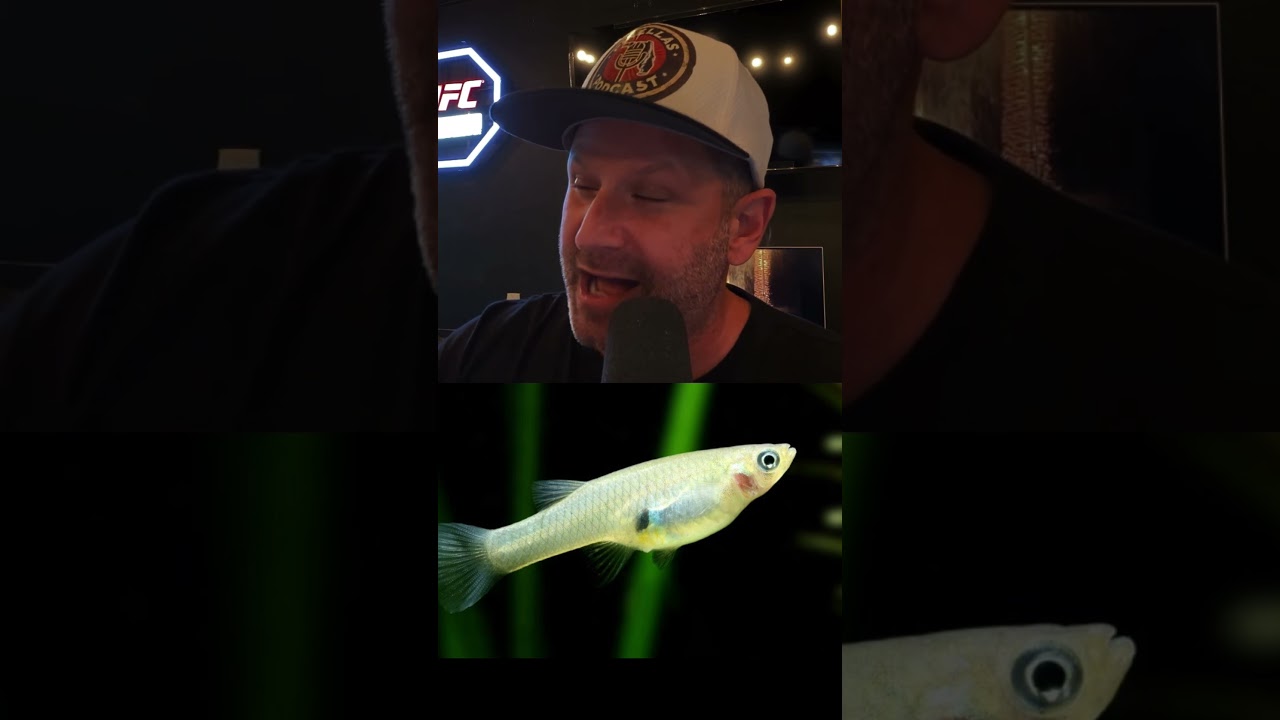
The eastern mosquitofish, Gambusia holbrooki, is native to Florida. It is small, generally just a few inches long or less, with females typically larger than males. Think understated little fish, not aquarium showstopper.
Its important feature is not its appearance. It is where and how it feeds.
Mosquitofish commonly forage near the water’s surface, where the larvae of many mosquito species spend time breathing. That puts predator and prey in the same neighborhood. The fish eat the larvae, removing mosquitoes before they become flying adults.
They also give birth to live young rather than laying eggs. Under suitable conditions, their populations can grow quickly, helping them persist in habitats where food and shelter are available.
Here is the part worth keeping straight: mosquitofish do not exclusively eat mosquitoes. They are opportunistic feeders that also consume other small aquatic animals. The name is excellent marketing; the menu is broader.
That matters because biological control is still an ecological intervention. A fish can be native to Florida and still be the wrong addition to a particular water body. Stocking decisions should account for the habitat, the animals already living there and whether fish can actually survive and reach the mosquito larvae.
Tiny does not mean consequence-free. These are living predators, not little swimming pool-cleaning tablets.
Why Florida gives mosquitoes so many openings
Mosquitoes begin life in water. Their immature stages develop there before adults emerge and take to the air. Depending on the species and conditions, that development can happen in roughly a week during warm weather.
Now consider a typical Pinellas yard after rain: a bucket behind the shed, a clogged gutter, a toy truck holding water in its bed, a plant saucer nobody has looked at since Sunday.
To us, those are chores. To certain mosquitoes, they are real estate.
Our warm climate supports a long mosquito season, and summer rainfall repeatedly refills the small containers where some common nuisance mosquitoes breed. You do not need a swamp next door. Sometimes the swamp is a forgotten watering can ten feet from the patio chair.
Pinellas also has a much bigger water story. Ponds, wetlands, drainage systems and coastal habitats create different conditions for different mosquito species. Salt-marsh mosquitoes, for example, are not operating on the same household schedule as mosquitoes using a rain-filled bucket.
That is why there is no single mosquito fix that covers everything from a Gulfport backyard to a coastal wetland near the Gulf beaches.
Fish can help where there is suitable standing water that will support them. They cannot patrol a damp bottle cap, thrive in every temporary puddle or catch adult mosquitoes cruising past your screen door.
And a pond with fish is not automatically the culprit when you get bitten nearby. Some mosquitoes travel away from their breeding sites. The nearest visible water and the actual source of your problem are not always the same place.
A useful tool, not a backyard miracle
The smartest thing about mosquito-hunting fish is the timing. They target mosquitoes during an aquatic stage, before the biting starts. Only female mosquitoes bite, using blood meals to help produce eggs; both sexes can feed on plant sugars.
Cutting down the next generation before it flies is a sensible goal. But fish belong in a larger strategy, not on a pedestal.
Mosquito control commonly combines surveillance, habitat management and treatments selected for the situation. Larval control targets mosquitoes in water. Adult control targets flying mosquitoes. Removing unnecessary standing water eliminates some breeding opportunities altogether.
For residents, that last part is often the most direct move. Empty the container. Clear the gutter. Store the bucket upside down. Those jobs lack the cinematic appeal of an aquatic mosquito assassin, but they remove habitat fish could never use.
Even in a pond, effectiveness depends on access. Dense vegetation and shallow, isolated pockets can shelter larvae from fish. Water quality, temperature and other site conditions also influence whether a fish population will survive.
This is why releasing fish into a nearby creek or neighborhood pond on your own is not a clever shortcut. Moving aquatic animals can disrupt existing communities and spread unwanted organisms. A public pond is not a blank canvas for somebody’s pest-control experiment.
For a persistent mosquito problem, Pinellas County Mosquito Control is the local public agency to contact for guidance or to report concerns. Describe where you are seeing the problem and what standing water is present. Let the response fit the site rather than choosing the most entertaining tool first.
And if the immediate goal is enjoying dinner outside tonight, fish are not a substitute for personal protection. An EPA-registered insect repellent, intact window and door screens, and clothing that covers more skin remain practical defenses against bites.
- 1Eastern mosquitofish are native to Florida and eat mosquito larvae in water. They target the immature stage, not mosquitoes already flying around your porch.
- 2Empty and scrub water-holding containers at least weekly. Some mosquitoes lay eggs that stick to container walls, so simply tipping out the water can leave eggs behind.
- 3Do not release aquarium fish or move wild fish into ponds, canals or wetlands on your own. Ask Pinellas County Mosquito Control for advice about mosquito problems and suitable control options.
- 4Use an EPA-registered insect repellent according to its label when you need protection from bites. Fish elsewhere in the neighborhood do not provide personal protection.
The satisfying part of this story is that nature already has predators working on the problem. A fish does not need a neighborhood meeting, a reminder notification or a strongly worded complaint about the bugs. It needs suitable habitat and something to eat.
The less glamorous part is that we still have jobs to do. Pinellas living means sharing space with water, wildlife and weather that can refill every neglected container in a single afternoon. A little routine maintenance is part of keeping that outdoor life enjoyable.
Mosquito-hunting fish deserve their moment. They are small, useful and considerably more interesting than another evening spent slapping your calves. Just give them the right assignment—and handle the overturned lid collecting rain beside your grill yourself.
Head back and watch the reel for a look at the tiny fish taking on one of Florida’s most persistent pests.
Comments
Want to join the conversation?
Sign in to comment